Evaluating Bulletin Board and 3D Designs for Educational Spaces
In the realm of educational environment design, the visual elements of a classroom play a significant role in student engagement and atmosphere. Among the various tools available to educators and designers, the concept of a Bulletin Board combined with 3D styling has emerged as a versatile solution. This approach is not merely about covering walls; it is about creating interactive, tactile, and visually stimulating spaces that support learning objectives. When evaluating options for school classroom bulletin boards and door decorations, understanding the specific characteristics of this design style is essential for making informed decisions.
Understanding the Core Concept
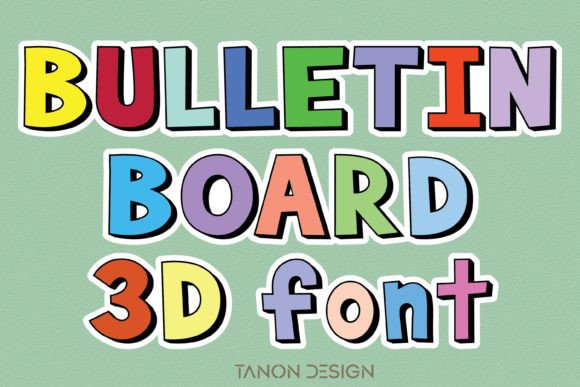
A traditional bulletin board serves as a static display area for announcements, student work, or instructional materials. However, when enhanced with 3D design elements, the functionality and aesthetic appeal expand significantly. The term "3D" in this context refers to the use of layered materials, pop-up structures, and dimensional typography that creates depth and shadow on a flat surface. This design font and structural approach are particularly well-suited for kids' activities, school projects, and events because they mimic the tangible nature of the learning materials children often handle.
The integration of 3D elements transforms a standard display into an immersive experience. For instance, letters that protrude from the background or graphics that utilize foam adhesive to create layers can draw the eye more effectively than flat paper. This distinction is crucial for educators looking to maximize the impact of their limited wall space. The design is also adaptable beyond the classroom, finding utility in merchandise such as mugs, t-shirts, and clothing designs, which suggests a high level of graphic versatility and scalability.
Key Benefits for Educational Settings
There are several practical reasons why schools and teachers might prioritize this specific design style. The primary benefit lies in visual engagement. Young learners are naturally drawn to objects they can perceive as having depth. A 3D bulletin board can break the monotony of flat walls, making the classroom feel more dynamic and inviting. This is particularly important for door decorations, which serve as the first point of contact for students and parents, setting the tone for the learning environment inside.
Another significant advantage is durability and longevity. Materials used to create 3D effects, such as cardstock, foam board, or laminated layers, tend to be more robust than standard printer paper. They can withstand the occasional bump or touch better than fragile flat prints. Furthermore, the modular nature of 3D designs allows for easier updates. Educators can swap out specific layered elements without replacing the entire background, making it a cost-effective solution for changing themes throughout the academic year.
The versatility of the design font associated with these boards also supports literacy and recognition. Clear, bold, and dimensional lettering helps early readers distinguish characters more easily. When used in school projects, these designs encourage students to think spatially, adding a layer of cognitive development to artistic expression.
Tradeoffs and Practical Considerations
While the advantages are notable, a balanced evaluation requires acknowledging the tradeoffs. The most immediate consideration is production time and effort. Creating a genuine 3D effect often involves cutting, layering, and assembling multiple pieces. For a busy teacher, this can be more time-consuming than printing a single flat sheet. Those considering this route must evaluate whether they have the resources to assemble these displays or if they need to purchase pre-made kits.
Material costs represent another factor. Achieving a high-quality 3D look may require specialized adhesives, thicker paper stocks, or specific crafting tools. While the end result is durable, the upfront investment per square foot of display space can be higher than standard flat decorations. Additionally, there is the matter of safety and maintenance. In classrooms with very young children, protruding elements must be securely attached to prevent choking hazards or accidental breakage. Dust accumulation on layered edges can also be a minor cleaning challenge compared to flat surfaces.
Ideal Use Cases
This design approach is a strong fit for specific scenarios within the school ecosystem. It is particularly effective for thematic units and seasonal events. For example, a science unit on the solar system benefits greatly from planets that appear to float off the board, providing a realistic representation of space. Similarly, door decorations for holidays or school-wide events gain a festive quality through dimensional elements that signal celebration.
It is also highly suitable for showcasing student work. When students create projects that involve collage or construction, mounting them on a 3D-style bulletin board validates the effort and dimensionality of their work. Furthermore, the scalability of the design font makes it an excellent choice for branding school spirit. The same graphics used on a hallway display can be seamlessly transferred to t-shirts for a field day or mugs for staff appreciation, creating a cohesive visual identity for the school community.
When to Consider Alternatives
Despite its strengths, there are situations where alternatives may be more appropriate. If the primary goal is rapid information dissemination, such as daily schedules or urgent notices, a flat, high-contrast print may be more readable from a distance and faster to produce. In environments with strict fire safety codes regarding wall coverings, the added bulk of 3D materials might complicate compliance, making thinner, flame-retardant flat papers a safer choice.
Budget constraints are also a valid reason to look elsewhere. Schools operating with minimal supplies may find that digital displays or simple flat posters offer a better return on investment. Additionally, for temporary displays lasting only a day or two, the labor intensity of 3D assembly may not justify the short lifespan of the decoration.
Making the Decision
Determining whether a 3D bulletin board design aligns with your goals depends on weighing engagement against efficiency. If the objective is to create a warm, immersive, and long-lasting environment that stimulates curiosity, the investment in 3D elements is likely worthwhile. The ability to extend these designs onto clothing and merchandise further adds value for schools looking to build a strong community brand.
However, if the priority is speed, minimal cost, or frequent content rotation, a hybrid approach might be best. Educators could reserve 3D techniques for key focal points, such as the main classroom door or a central learning hub, while utilizing flat displays for peripheral information. By understanding the specific demands of their classroom and the capabilities of the design, educators can select the right balance to support their educational mission effectively.